What's Really Surprising about Paul
October 14, 2026

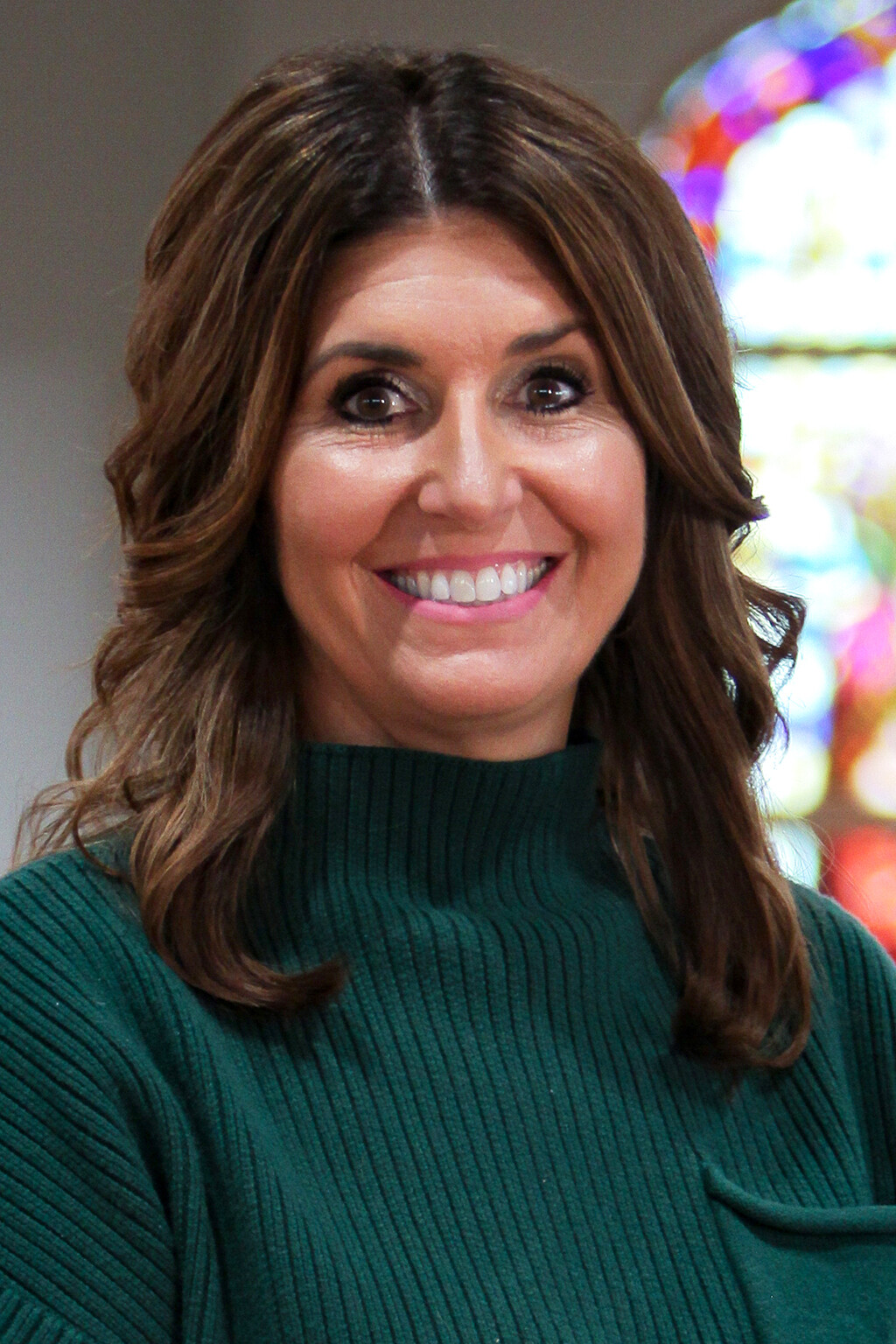
I have the absolute joy of teaching the book of Ecclesiastes to our women’s Bible study this fall. Walking through these chapters has illumined my soul with enduring truths, which is why I wanted to sit down and share some of these reflections with our entire church family in this blog post.
Ecclesiastes stands as a masterpiece within the canon of wisdom literature. It beautifully blends both prose and poetry, officially standing as one of the five poetical books of the Bible alongside Job, Psalms, Proverbs, and the Song of Solomon. These specific books are close to my heart because they deal directly with the inner, spiritual life of God’s people. And because we have been graciously grafted into God’s family through the grace and sacrifice of Jesus, this living Word applies just as directly to us today as Gentile believers.
To understand its place in our faith journey, it helps to look at how these books mirror the human timeline. Regardless of the debate over whether Proverbs or the Song of Solomon came first, it is widely understood in Christian tradition that Ecclesiastes represents the final chapter of Solomon’s life.
Written in his old age, Ecclesiastes serves as an old man’s sorrowful, philosophical reflection. Looking back on a lifetime of unmatched wealth, wisdom, and worldly achievements, Solomon wrestles with the fact that chasing earthly things is completely meaningless, ultimately reminding us that true purpose is found only in God.
By the time we reach the second verse of chapter one, Solomon introduces the critical, overarching theme that we see throughout the entire book. If you read from the NIV translation, that word is meaningless. The text cries out: “Meaningless! Meaningless! Utterly meaningless! Everything is meaningless.” In the original Hebrew, this word is hebel, pronounced HEH-vel, and it signifies emptiness, breath, vapor, or something fleeting, temporary, or ungraspable. Solomon writes from a perspective of heavy exhaustion, looking out at everything he sees and concluding that it is ultimately without importance. He even repeats a poignant question in verse three that underscores his profound frustration with human labor. When he uses the recurring phrase “under the sun,” he is referring specifically to life lived in our current, fallen state. This is a broken world, friends. In his weariness, Solomon forgot a vital truth that I want to remind us of today: we are actually called to work alongside God to help make this broken world whole.
Verses four through eleven speak specifically to the heavy, endless repetition of human life. I found myself thinking about this deeply the other day while I was cleaning the house. Our children are not toddlers anymore; they are teenagers and young adults now. But the endless cycle doesn’t stop—it just changes shape. I honestly do not know how many times I have cleaned the floors, walked into their rooms that were organized only to see them undone hours later, or stood over an endless pile of laundry and dishes. I am blessed with a wonderful husband who is right in the trenches of life and ministry with me, and I know he feels this same weight at times. In those moments, I can relate to Solomon’s words completely. I find myself wondering: why do I even care about keeping up with this routine when the house just slips back into chaos the moment everyone passes through the kitchen? It mirrors the reality of verse nine, which reminds us that what has been will be again, and what has been done will be done again. To me, it simply means that the beautiful order I just created will inevitably be unorganized by tomorrow.
But I look around our congregation, and I know I am not alone in this feeling. We are a beautifully multi-generational church family, and yet this feeling of hebel connects us all. Some of you are in the exact same trench of parenthood I am, managing the chaotic schedules of teenagers or learning how to love adult children who are stepping out on their own. Others of you are exhausted by the repetitive grind of your 9-to-5 job, staring at an endless inbox, wondering if any of your hard work actually matters. Some of our students are tired of the endless cycle of exams and semesters, while our retirees might be facing the repetitive rhythm of doctors’ appointments, grocery trips, or empty nests. We all look at our daily routines at some point and ask the exact same question Solomon did: What is the point?
As one of your pastors, my hope is that we can look at these routine cycles not as a meaningless loop, but as the very sacred ground where God meets us in our faithfulness. He does not demand that we permanently fix this broken world by our own strength; He invites us to show up.
Now, what does this look like for us on a day-to-day basis? It means changing our perspective from “under the sun” to “under the Son.” When you fold that next load of laundry, when you type that next email, when you study for that next test, or when you take that daily walk, you are offering a small act of worship. God meets us in our faithfulness when we realize that the value of our work isn’t tied to its permanence, but to the love we pour into it. A clean kitchen will get messy again, and a project at work will be replaced by a new one tomorrow. But the faithfulness, patience, and love you cultivate in the middle of those repetitive moments are eternal.
But hear me on this, church: you cannot break the weight of the “meaningless” cycle in your own strength. It is the Holy Spirit alive inside you who transforms the mundane into the miraculous. When your energy is completely depleted, it is the Spirit who provides supernatural endurance. When the routine feels empty, the Spirit breathes fresh purpose and joy into your ordinary days.
You are not just spinning your wheels in a broken world. By the power of the Holy Spirit working through you, every small, daily act of obedience becomes a declaration of God’s kingdom on earth. You are pushing back the darkness. You are tearing down the exhaustion of hebel and replacing it with the fullness of God’s presence. As you step into your routine tomorrow, may you be deeply aware of the Spirit’s presence right there with you—strengthening your hands, renewing your mind, and turning your daily grind into a sacred space of holy worship. You are making this world whole, one ordinary, Spirit-led moment at a time.
I want to leave you with a blessing today. Wherever you are standing or sitting right now, receive this prayer over your life, your family, and your week.
My Prayer for You
Heavenly Father, we thank You that You meet us not just on the mountaintops, but in the middle of our ordinary, everyday routines. For every person reading this right now who feels the heavy weight of exhaustion, repetition, or the feeling that their efforts are meaningless—I ask for a fresh outpouring of Your Holy Spirit.
Lord, shift our perspective today. Lift our eyes above the sun and anchor them securely onto Your Son. Forgive us for the moments we forget that our daily tasks are opportunities to partner with You in bringing wholeness to a broken world.
Holy Spirit, breathe Your supernatural strength, joy, and peace into our homes, our workplaces, our schools, and our quiet spaces. Transform our mundane moments into miraculous encounters with Your grace. When our hands are tired, renew our spirits. When the laundry piles up, the emails flood in, or the quiet feels heavy, remind us that You are right there in the trenches with us. We declare that our labor is not in vain because it is done for You. We love You, we praise You, and we step into tomorrow by Your power alone. Amen.
October 14, 2026

October 07, 2026

October 01, 2026